
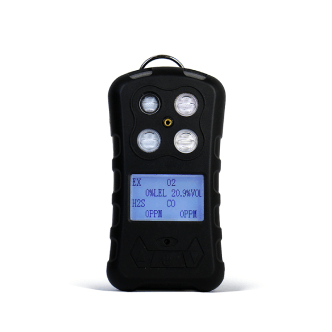
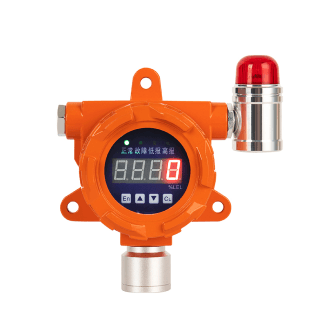
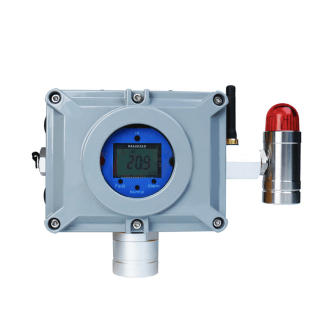
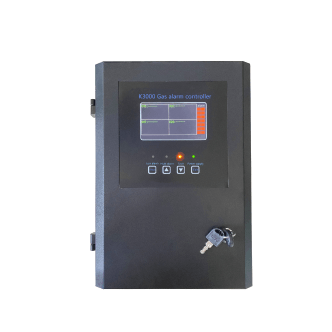
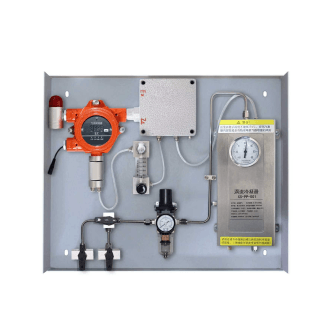
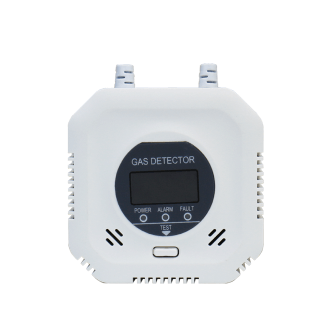
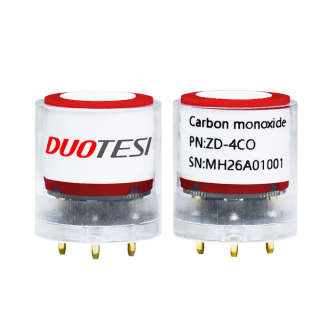










A bus-based system typically consists of two to four wires forming a bus loop, with all detectors connected in parallel across this loop; each detector is assigned its own unique address code, enabling the controller to access each detector based on distinct address signals. Bus-based systems require fewer wires, offer convenient installation, and provide strong scalability; they can easily integrate other devices via input/output modules, and their expansion process is straightforward—often without requiring modifications to the controller’s architecture—which is why they are widely adopted. However, bus-based systems have relatively lower reliability: if one detector fails, it may affect all subsequent nodes, and interoperability between products from different manufacturers is limited. Bus-based systems are particularly suitable for applications where there are a large number of detectors, they are concentrated in specific locations, and they are situated at considerable distances from the controller.

Bus-based system
Share To:

Questions or Concerns?
Let Us Know!
Please feel free to submit your inquiry to us. our sales engineers will contact you in short time.
Contact Now!
Contact Us
Get In Touch With Us
Just fill out the form and Our professional team will contact you with in 24 hours to answer your questions and
provide full support and assistance.