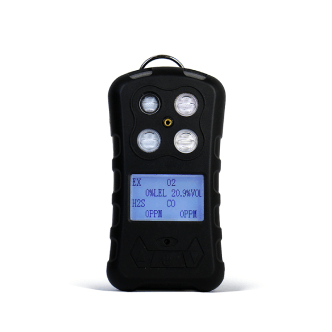
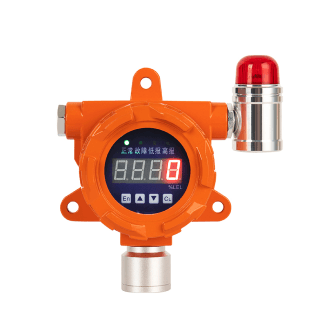
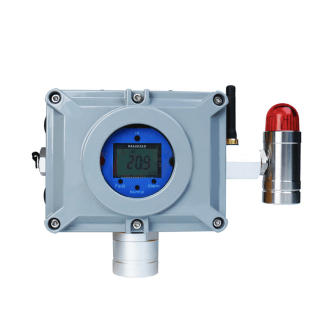
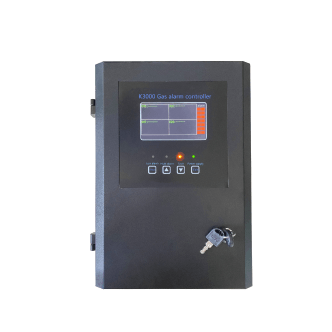
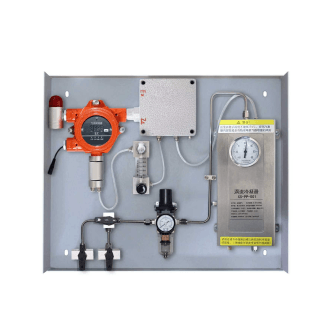
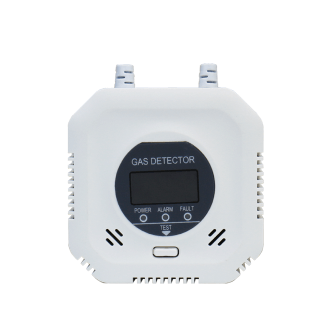
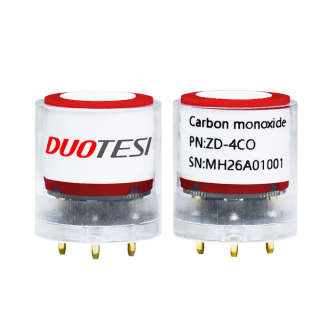




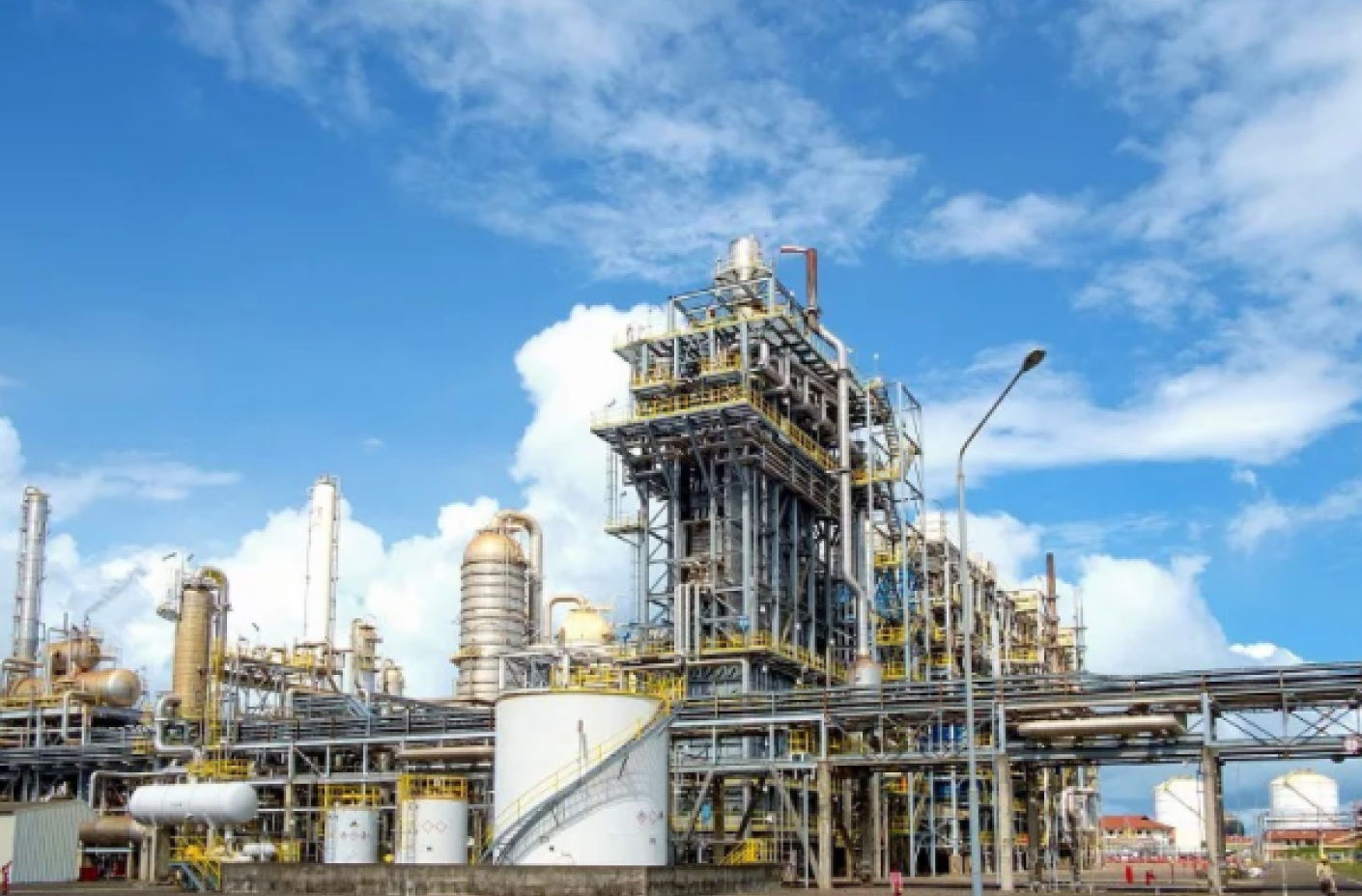
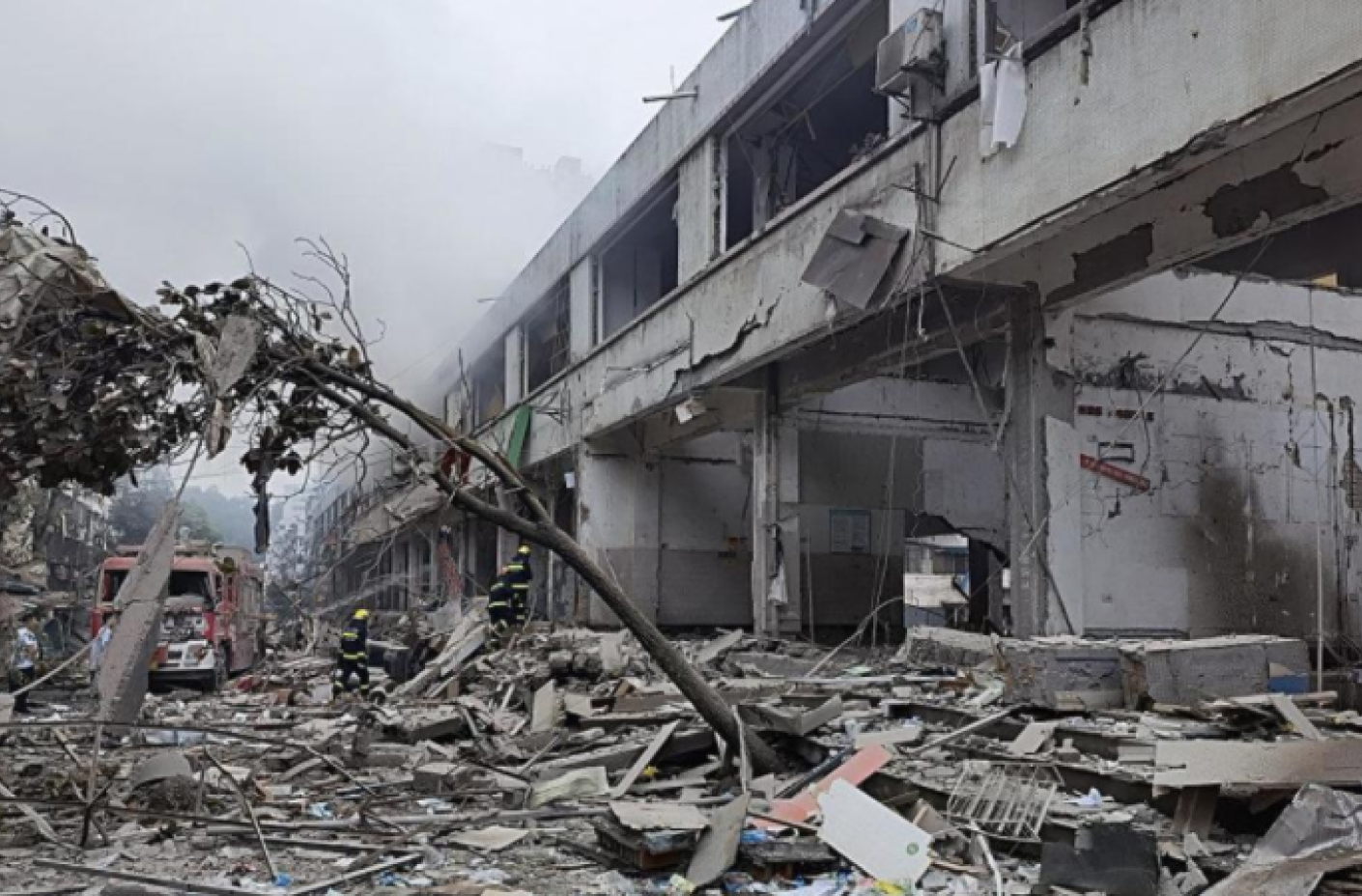




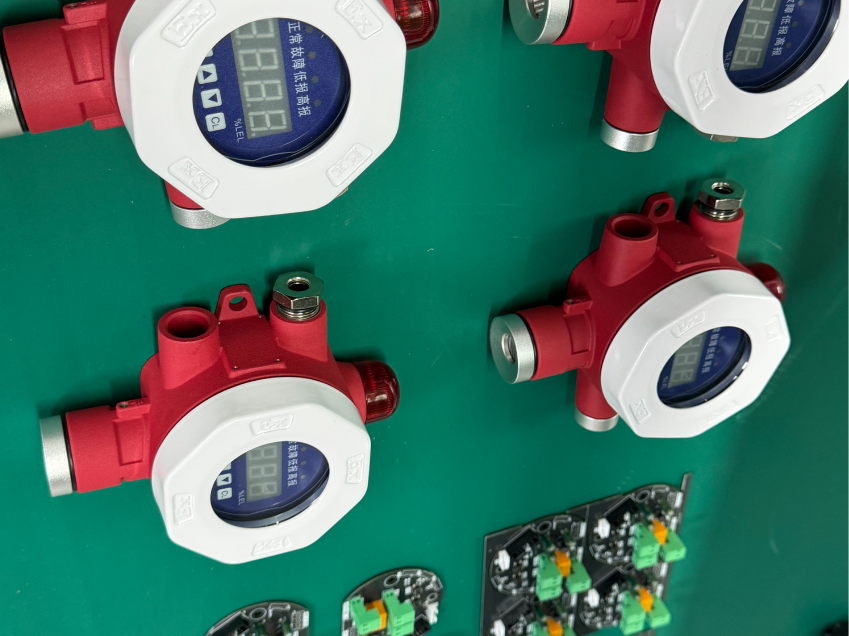

Atmospheric environmental monitoring refers to the process of observing and analyzing the concentrations of pollutants in the atmosphere, examining their variations, and assessing their environmental impacts. Atmospheric pollution monitoring involves determining the types and concentrations of pollutants in the atmosphere, as well as investigating their spatial and temporal distributions and variation patterns.
The primary monitored molecular pollutants include sulfur oxides, nitrogen oxides, carbon monoxide, ozone, halogenated hydrocarbons, and hydrocarbons; particulate pollutants mainly consist of settled dust, total suspended particles, airborne dust, and acid deposition. Air quality monitoring involves sampling and analyzing major atmospheric pollutants at designated sites within a region. Regular monitoring of specified parameters is typically conducted based on factors such as the region’s size, distribution and intensity of pollution sources, meteorological conditions, and topography.
According to China’s “Air Environmental Quality Standards,” the air quality monitoring items include sulfur dioxide, nitrogen oxides, total suspended particulate matter, carbon monoxide, photochemical oxidants, volatile organic compounds (VOCs), and dust deposition. Additionally, depending on the specific characteristics of regional air pollution, monitoring of characteristic pollutants such as hydrocarbons, total oxidants, inhalable particulate matter, nitrogen dioxide, fluorides, and lead may be added.