

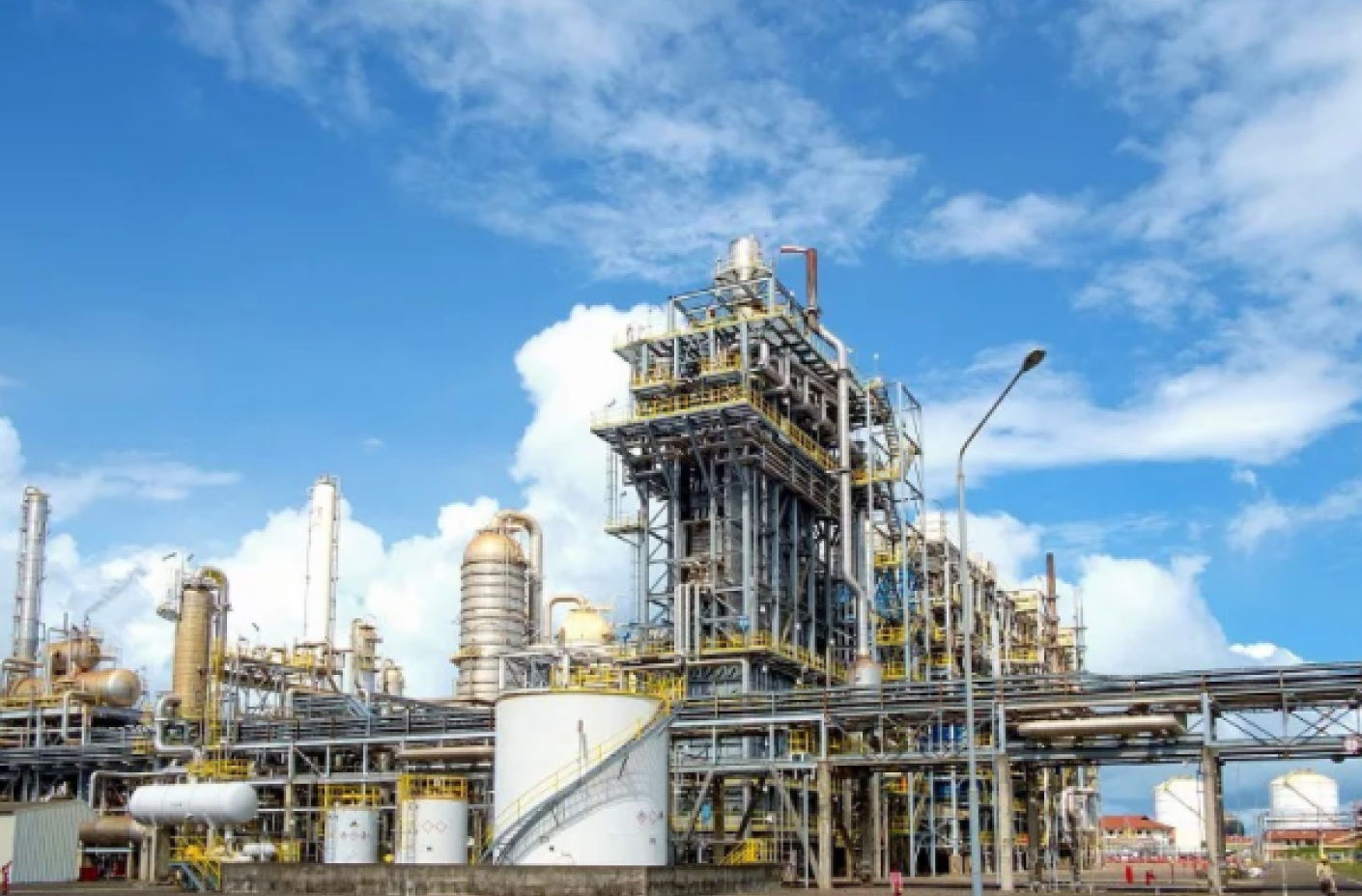
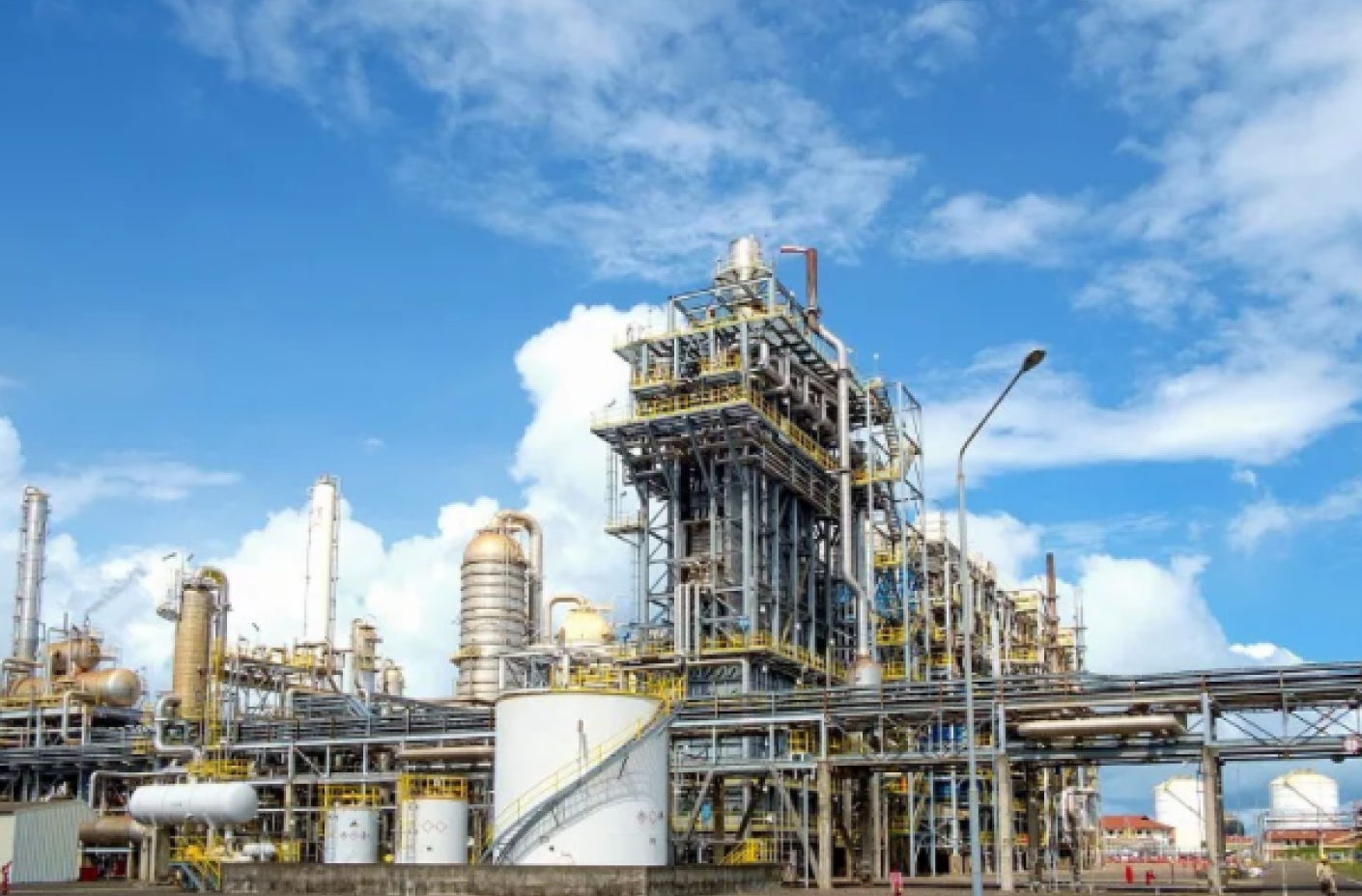
The petroleum and petrochemical industry generally refers to the processing sector that uses oil and natural gas as raw materials to produce petroleum products and petrochemical derivatives. This broad field encompasses a wide range of products, serves as a vital component of the chemical industry, plays a significant role in national economic development, and is one of China’s pillar industries. The petrochemical sector is a major supplier of energy, a cornerstone of the materials industry, and has further driven rapid agricultural development in China.
Petrochemical products are closely linked to daily life, providing a diverse array of household items; they not only add vibrant colors to the world but also enable people to enjoy a high standard of living characterized by prosperity, comfort, and convenience.
The petroleum and petrochemical production process involves a wide variety of toxic and hazardous gases distributed extensively, posing significant risks of fire, explosion, and poisoning. Common toxic gases present in this process include hydrogen sulfide, chlorine gas, carbon monoxide, ammonia, and benzene vapor. In recent years, with changes in crude oil composition and rising sulfur content, the concentration of hydrogen sulfide in production media has increased substantially, sometimes exceeding 80%, thereby significantly elevating the risk of hydrogen sulfide poisoning.
Where these gases are found:
- Hydrogen sulfide: primarily found in refinery processes such as dry gas, gasoil, acidic gases, sulfur-containing wastewater, crude gasoline, diesel, liquefied petroleum gas, residual oil, and condensate oil. Common leakage points include dehydration outlets, sampling ports, condensate discharge openings, vent valves, and metering interface connections.
- Ammonia: predominantly present in wastewater stripping units, ammonia storage tanks, and chemical fiber wastewater treatment systems.
- Benzene vapor: occurs mainly in catalytic reforming units, aromatic extraction facilities, and storage areas.
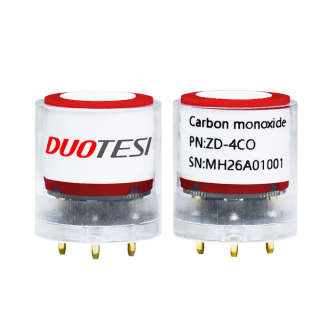
- Carbon monoxide: commonly found in boilers, heating furnaces, combustion chambers, and flue gases.
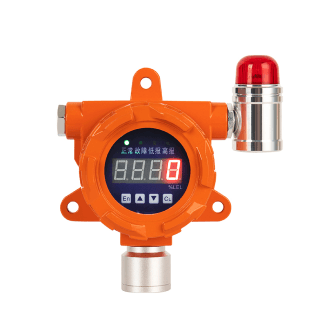
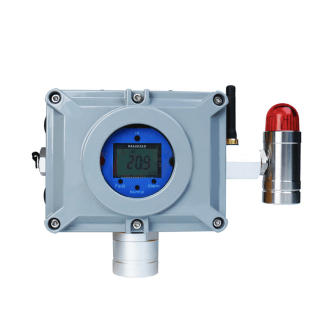
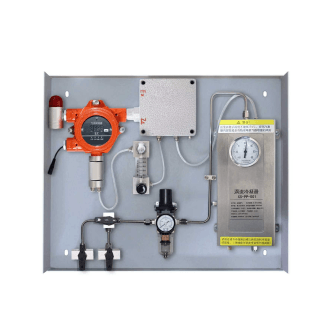
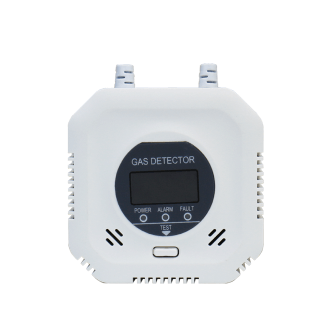
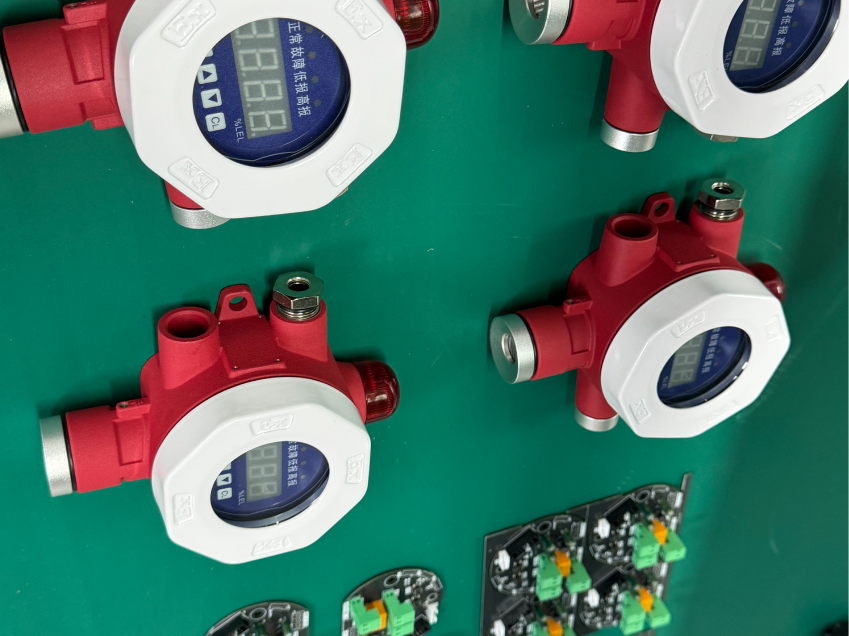
Therefore, enhancing monitoring of toxic and hazardous gases in the petroleum and petrochemical industry holds critical practical significance.