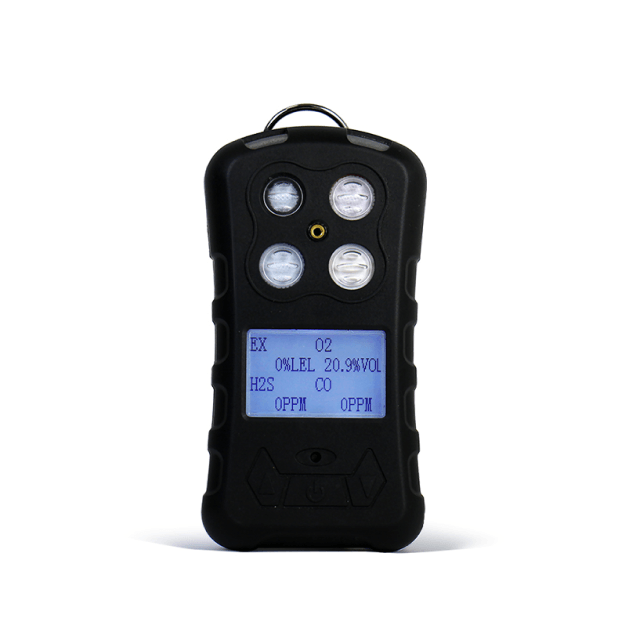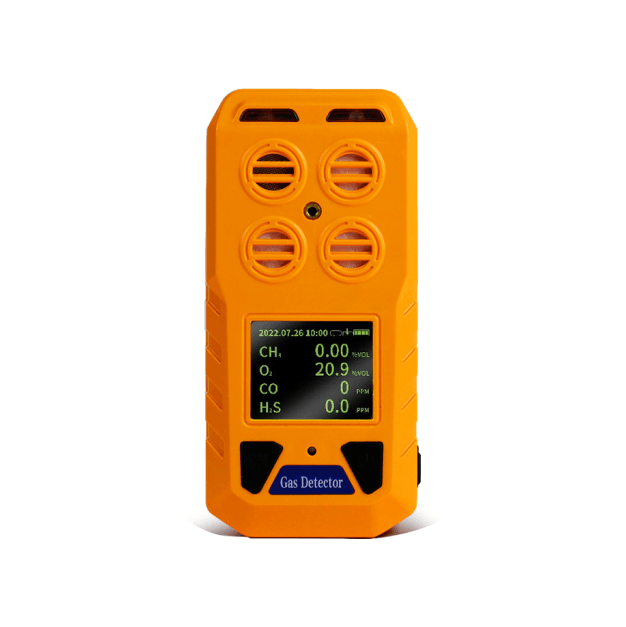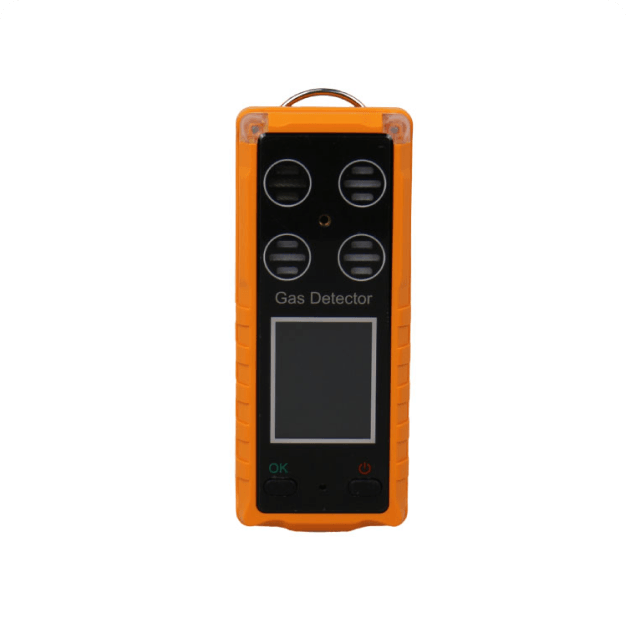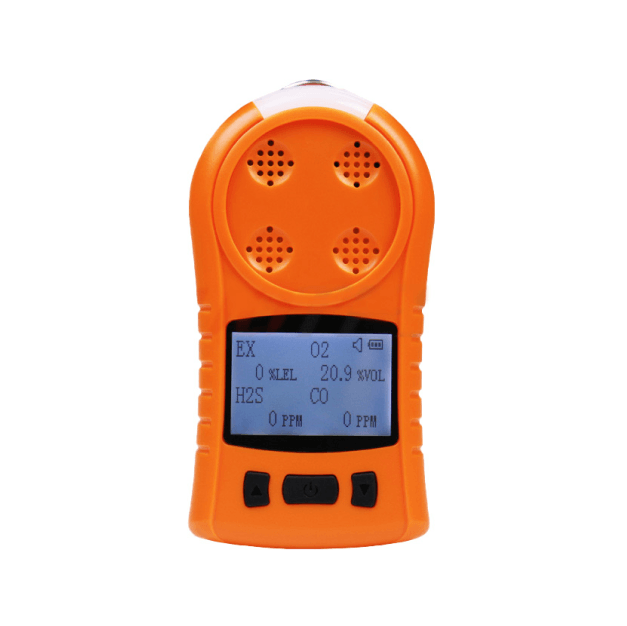




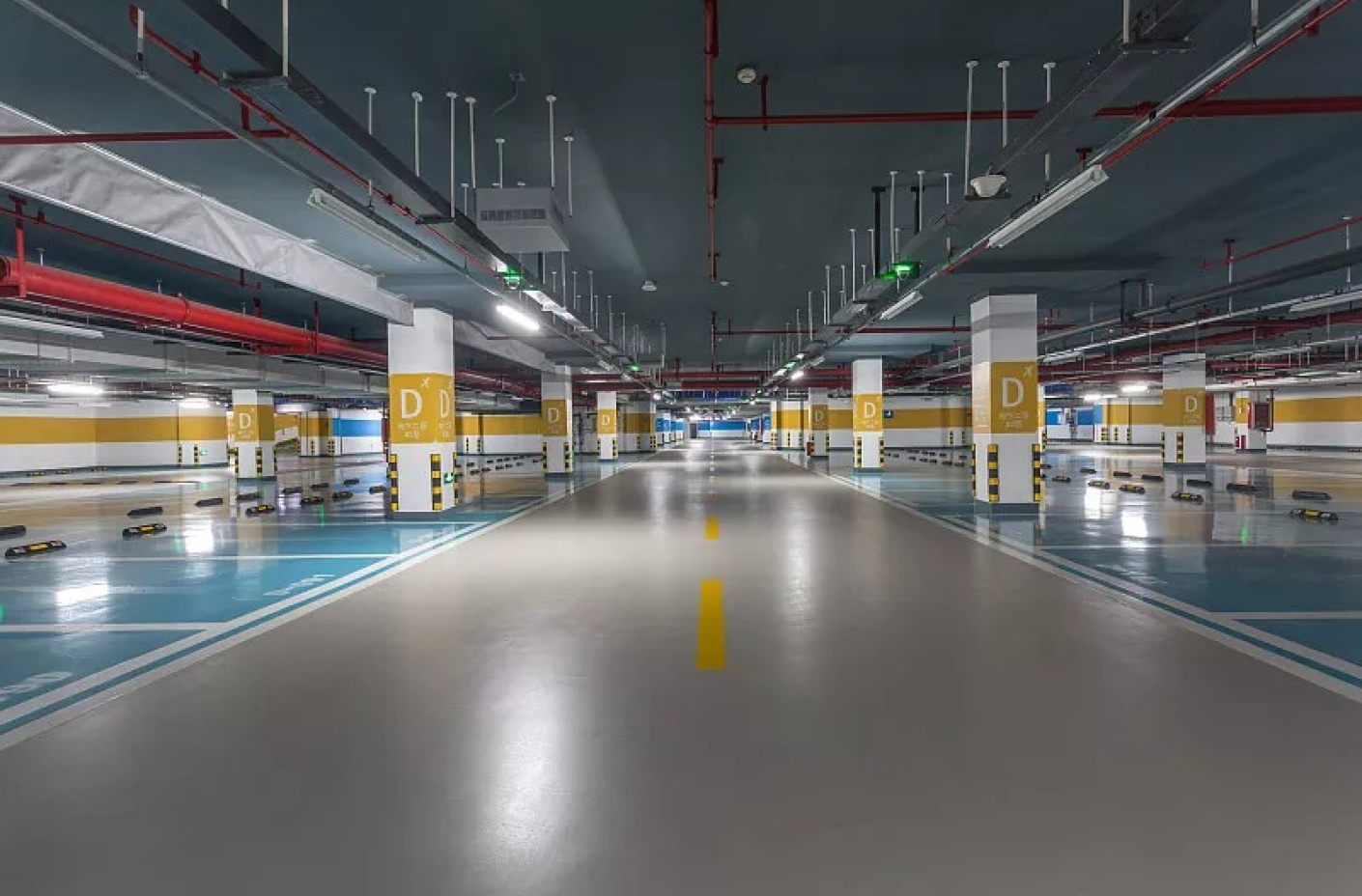
Many residential complexes and shopping malls now feature underground parking facilities, which not only save land space but also facilitate daily management. However, as a type of underground space, these areas see relatively short vehicle stays and correspondingly lower operational standards. A common issue is poor air quality in underground garages, primarily characterized by excessive levels of carbon monoxide (CO) and carbon dioxide (CO₂). Carbon monoxide pollution occurs mainly during slow driving, idling, or reversing.
The operational management level remains relatively low. A common issue is poor air quality in underground parking facilities, primarily characterized by excessive concentrations of carbon monoxide (CO) and carbon dioxide (CO₂).
Carbon Monoxide Pollution
After a vehicle enters the garage, it primarily operates at low speeds, idling, or reversing. Under non-standard operating conditions, the engine may produce increased carbon monoxide emissions due to incomplete combustion. Carbon monoxide impairs the binding of hemoglobin with oxygen in human blood and disrupts oxygen delivery to various tissues, leading to hypoxia. Severe carbon monoxide poisoning can cause drowsiness and convulsions, potentially resulting in death. Long-term exposure to low concentrations of CO also poses health risks, particularly to the nervous and cardiovascular systems.
Carbon Dioxide Pollution
The vehicle cabin can also contribute to carbon dioxide pollution, particularly when occupants remain in the vehicle while the engine is turned off, leading to rapid accumulation and concentration of CO₂ inside the vehicle. Relevant tests have demonstrated that if two individuals are present, CO₂ levels can reach 2,500 ppm within 10 minutes, which is 2.5 times the indoor standard concentration. Severe CO₂ exposure may induce symptoms such as headache, tinnitus, generalized weakness, and even acute poisoning resulting in death.
Furthermore, motor vehicles emit nitrogen oxides, sulfur dioxide, hydrocarbons, total volatile organic compounds (TVOC), and other harmful gases. Given the operational costs and practical usage requirements of underground parking facilities, implementing dynamic environmental monitoring through IoT-based digital management solutions represents an effective management approach for the future.
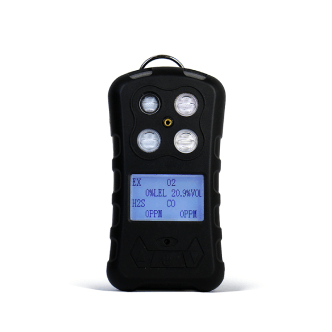
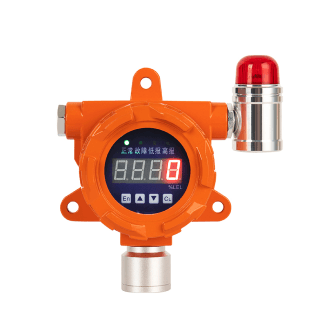
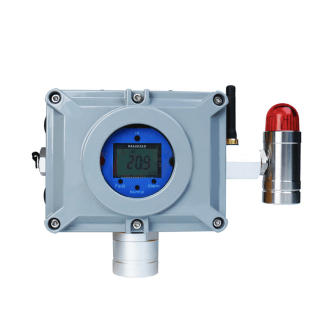
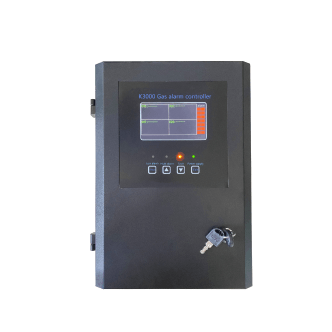
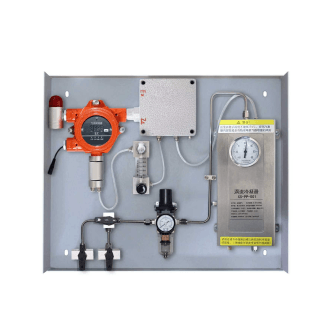
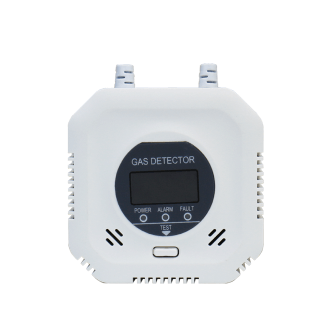
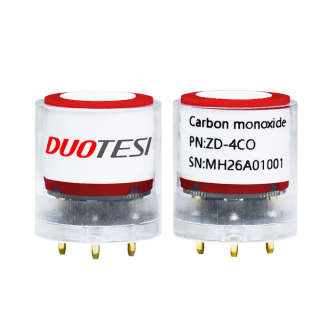
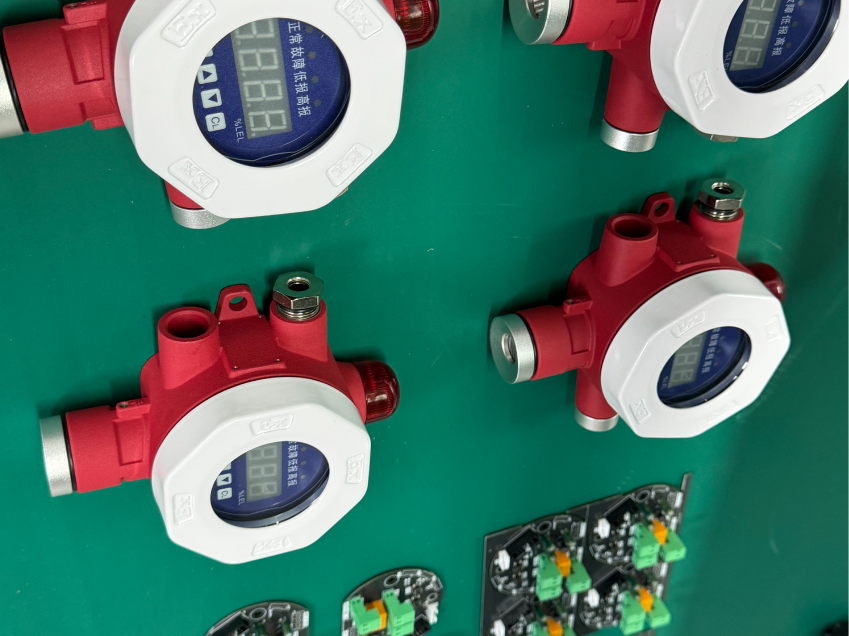
By using carbon monoxide and carbon dioxide sensors in the online monitoring system to continuously monitor parameters within the garage, environmental pollution during peak usage periods can be promptly identified, enabling timely implementation of ventilation measures.