




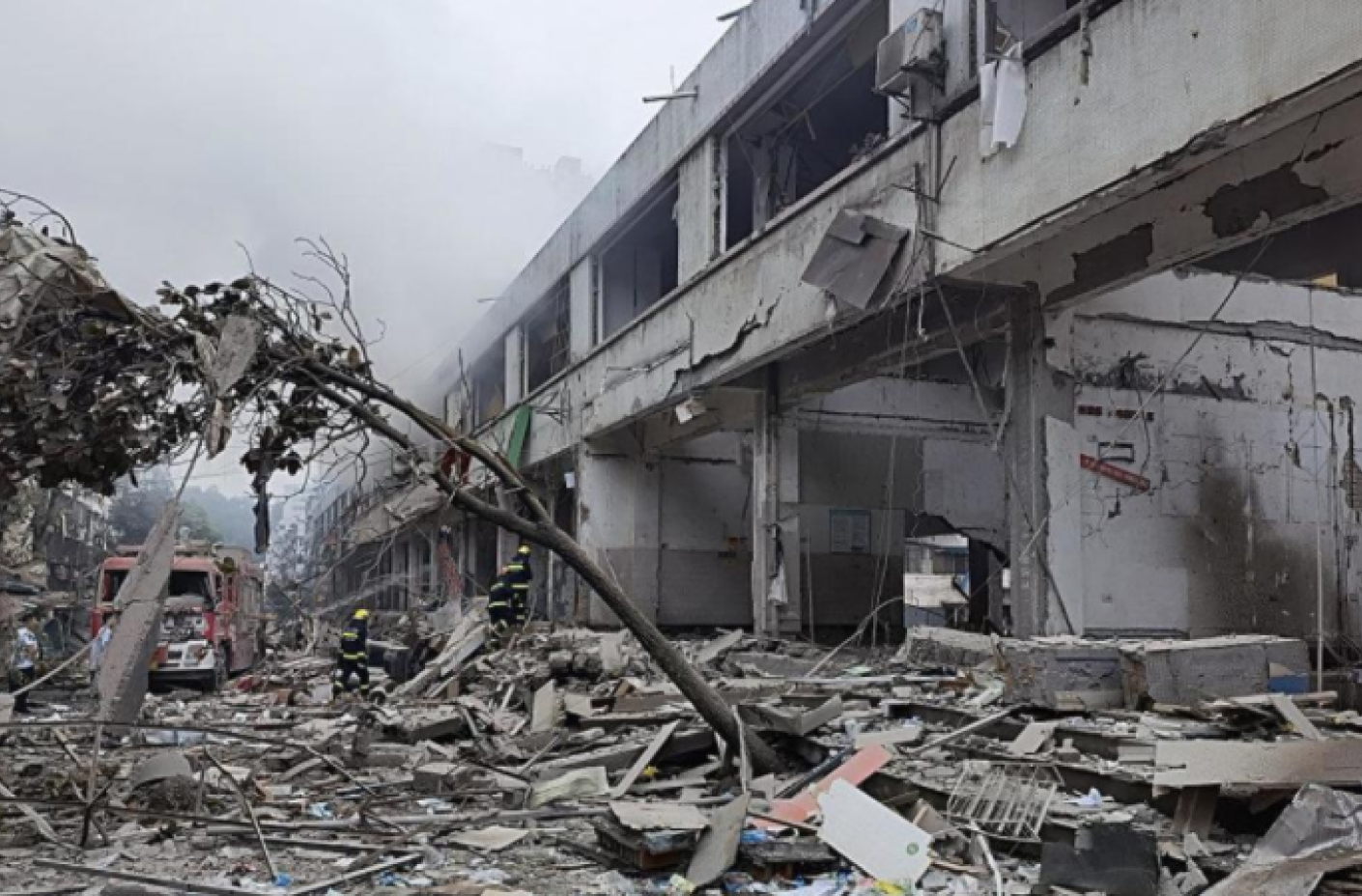

According to Hubei Daily, a gas explosion occurred at a community market in Shiyan, Hubei Province, this morning, resulting in multiple casualties. The blast generated a powerful shockwave that caused severe damage to several buildings, leaving the scene in ruins. It is reported that this gas explosion was caused by natural gas.
Generally, natural gas is highly safe, with explosions being extremely rare. Home natural gas pipelines are equipped with emergency shut-off valves that automatically close the flow upon detecting a leak to prevent accidents. However, due to factors such as pipeline aging or leaks in underground gas pipelines, natural gas may accumulate in underground spaces until reaching explosive concentrations, ultimately triggering an explosion.
1. Common Types of Gas
Gas generally includes natural gas, manufactured gas, and liquefied petroleum gas (LPG). Natural gas and manufactured gas are delivered to residential households via pipelines, while LPG is typically supplied in bottled form. Natural gas and manufactured gas have a lower density than air, making them prone to diffusion upon leakage; in contrast, liquefied petroleum gas has a higher density than air, leading to its tendency to accumulate rather than disperse upon leakage.
2. Hazards of Gas
The primary hazards of gas include fire, explosion, and poisoning.
- Fire: A fire may occur due to gas leakage igniting the surrounding flammable materials or when gas appliances ignite such materials.
- Explosion: A gas leak combines with air to form an explosive gas mixture that ignites upon contact with an open flame.
- Poisoning: Carbon monoxide binds to human hemoglobin, causing tissue hypoxia and asphyxia.