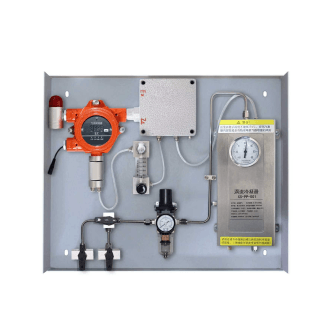
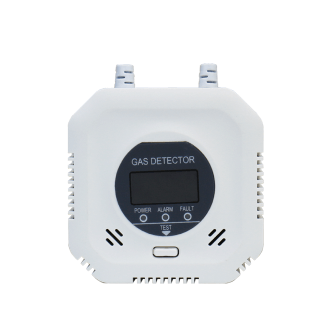
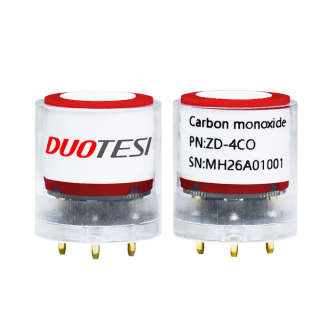


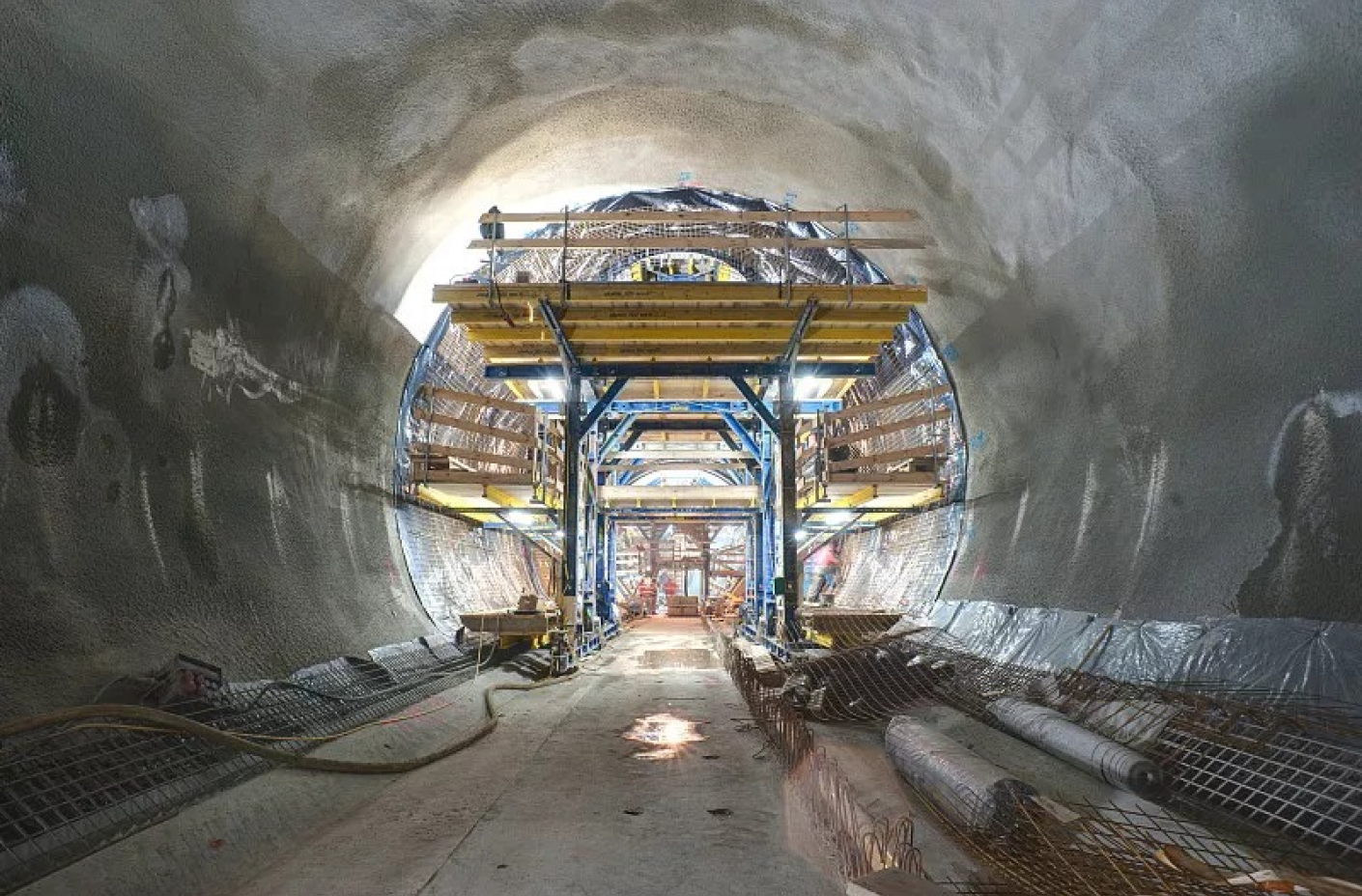
In recent years, the Chinese government has placed high priority on workplace safety in tunnel construction. The State Administration of Work Safety, the Ministry of Transport, the State-owned Assets Supervision and Administration Commission of the State Council, and the National Railway Administration jointly issued the “Nine Regulations on Construction Safety in Tunnel Projects,” which explicitly stipulate that “toxic and hazardous gases must be monitored and controlled, ventilation management must be strengthened, and construction activities exceeding permissible concentration limits are strictly prohibited.”
Analysis of Toxic and Harmful Gases During Tunnel Construction
Toxic and hazardous gases present in tunnels have consistently been the primary source of hazards during construction, with improper handling potentially leading to major safety incidents. What specific hazardous gases are contained within tunnels? The main components include methane, carbon monoxide, carbon dioxide, hydrogen sulfide, nitrogen, varying amounts of heavy hydrocarbons, and trace amounts of rare gases.
Based on their chemical properties, these toxic and harmful gases are classified into two major categories: combustible gases and toxic gases.
The primary components of combustible gases in tunnels are methane (CH₄, commonly known as gas) and various volatile organic compounds (collectively referred to as VOCs). These substances are highly flammable upon contact with an ignition source and may even cause explosions, posing significant risks to human life and property.
Toxic gases in tunnels are classified into three major categories based on their distinct mechanisms of action on the human body:
- Irritant gases: nitrogen, phosgene, diphosgene, sulfur dioxide, nitrogen oxides, formaldehyde, ammonia, ozone
- Asphyxiating gases: carbon monoxide, hydrogen sulfide, hydrocyanic acid, carbon dioxide
- Organic volatile compounds (VOCs) that cause acute poisoning
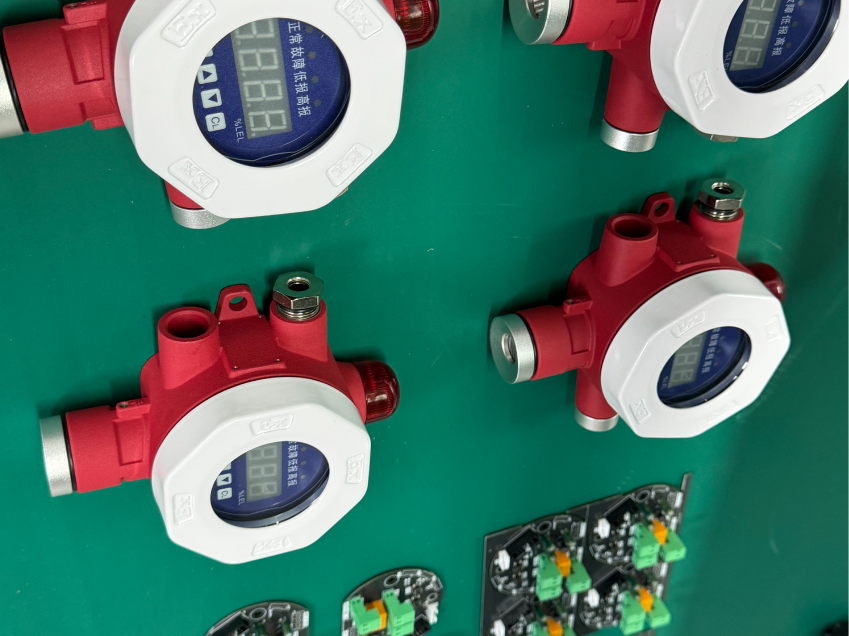
Notably, most VOCs are both toxic and flammable, such as n-hexane and dichloromethane. Historically, the detection of these organic compounds primarily focused on their explosivity; however, exposure to concentrations below the Lower Explosive Limit (LEL) often already poses health risks. Therefore, for VOC detection, it is essential to first confirm explosiveness before proceeding with measurement.