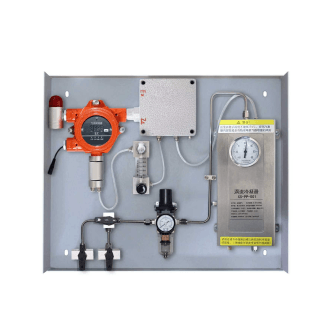
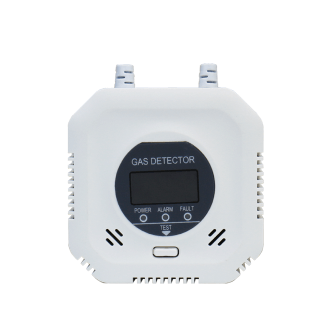
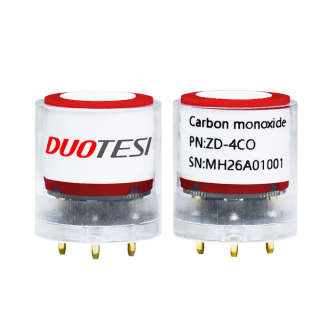







The substances listed in the table below can all have a negative impact on the catalytic beads of catalytic combustion sensors; among these, silicon-based compounds are the most likely to poison the sensor, while hydrogen sulfide is the most common inhibitor.
| Impact Type | Toxic substances | Representative substances | remarks |
| poisoning | Silicon compounds | Silanes, silicates, and silicone compounds | It is widely present in chemical products such as adhesives, lubricants, polishing agents, silica gel, and cosmetics. It is highly likely to poison sensors; even concentrations as low as a few ppm can significantly degrade sensor performance. |
| Lead compounds | Tetraethyl lead in gasoline | This will reduce the sensor’s sensitivity, particularly to high-flashpoint compounds (such as methane). | |
| sulfide | Carbon disulfide, dimethyl disulfide, trimethyl disulfide | Oxidation may produce inorganic acids, which could corrode the sensor. | |
| Phosphorus-containing compounds | Phosphorus and phosphates are | Oxidation may produce inorganic acids, which could corrode the sensor. | |
| restrain | halogenated hydrocarbon | Freon, trichloroethylene, chloromethane, etc. | It can be present in the solvents used in various degreasing and cleaning agents, or it may be released through the overheating of polymers or from PVC welding rods. At high temperatures, high-concentration halogenated hydrocarbons decompose into HCl, which may corrode sensors and reduce signal readings. |
| Restrain and poisoning | Hydrogen sulfide | Carbon disulfide, Dimethyl disulfideTrimethyl disulfide | It exhibits both toxic and inhibitory effects. High concentrations of hydrogen sulfide can cause the sensor to fail immediately, whereas lower concentrations have only a slight impact on its sensitivity. |