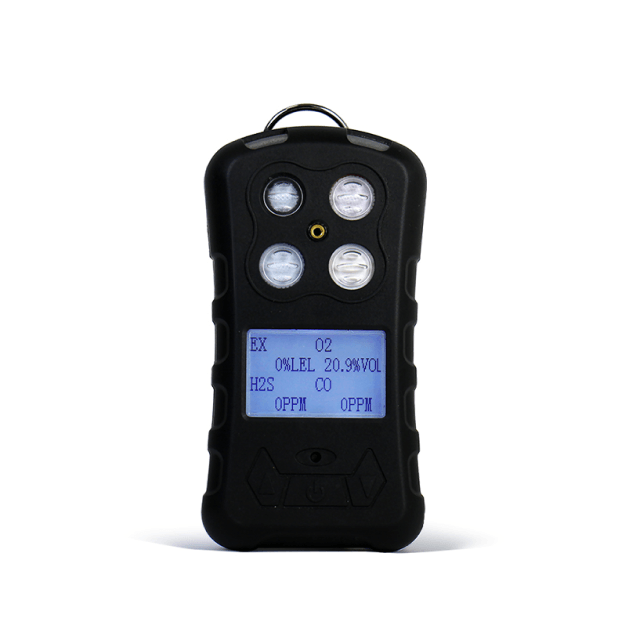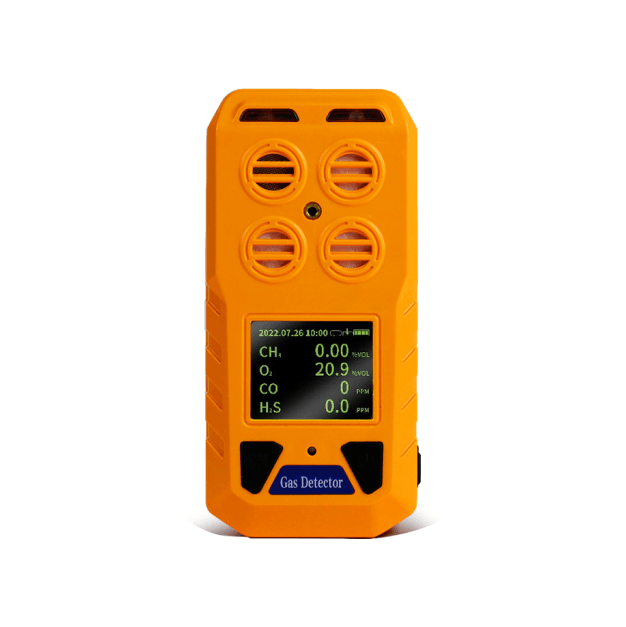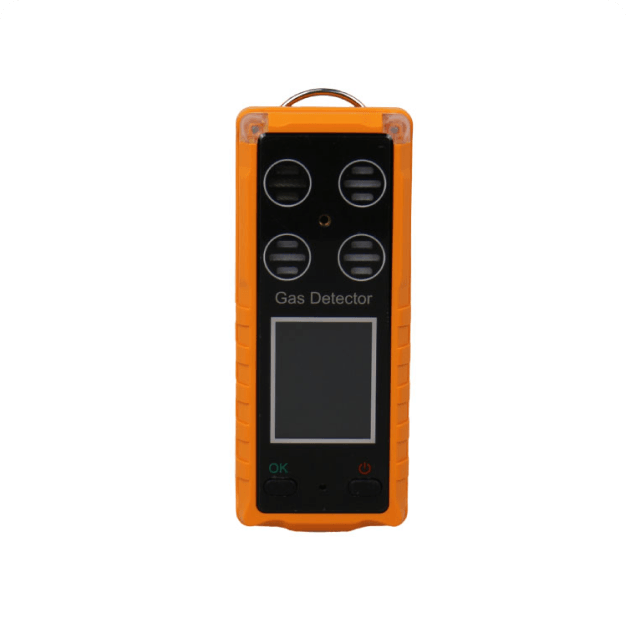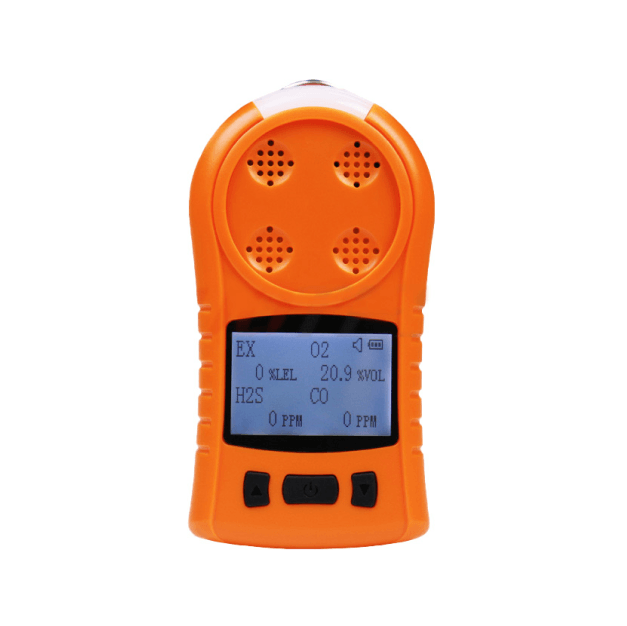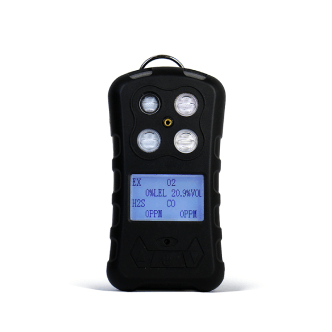
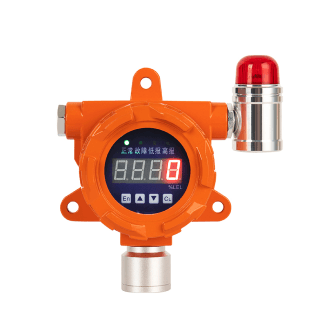
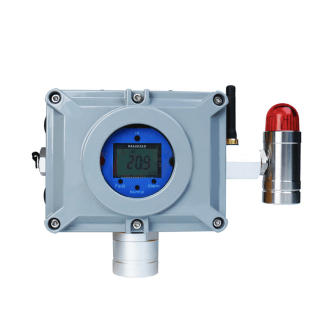
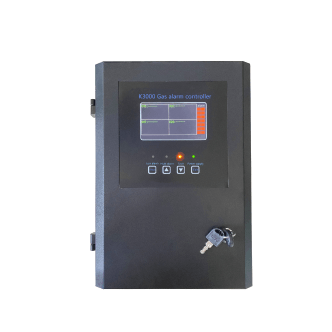
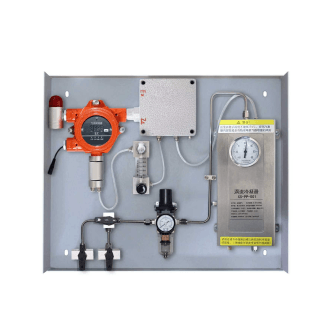
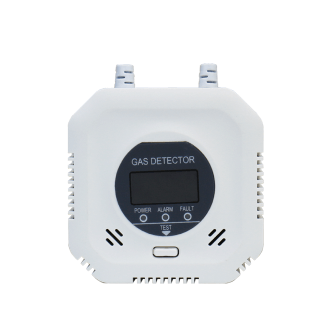
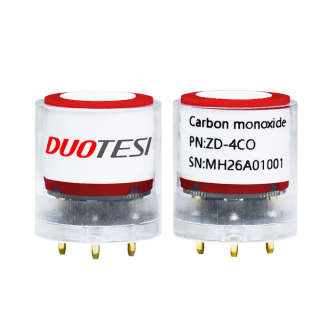







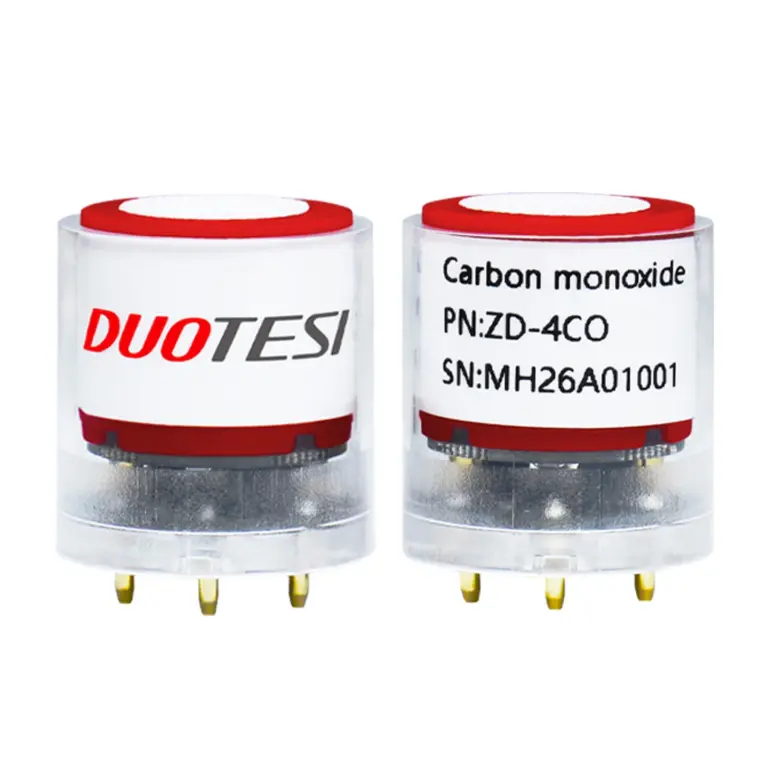
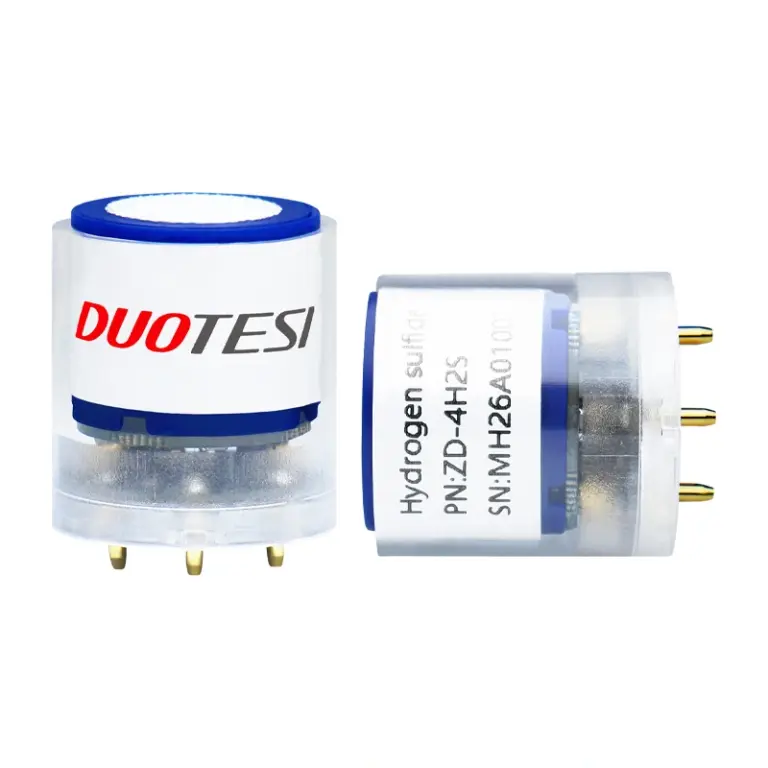
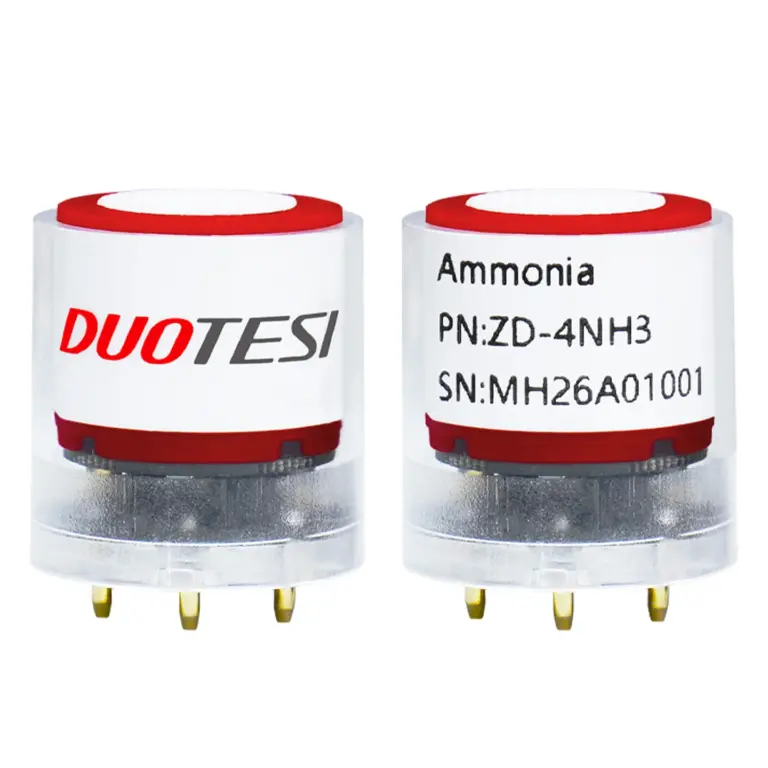
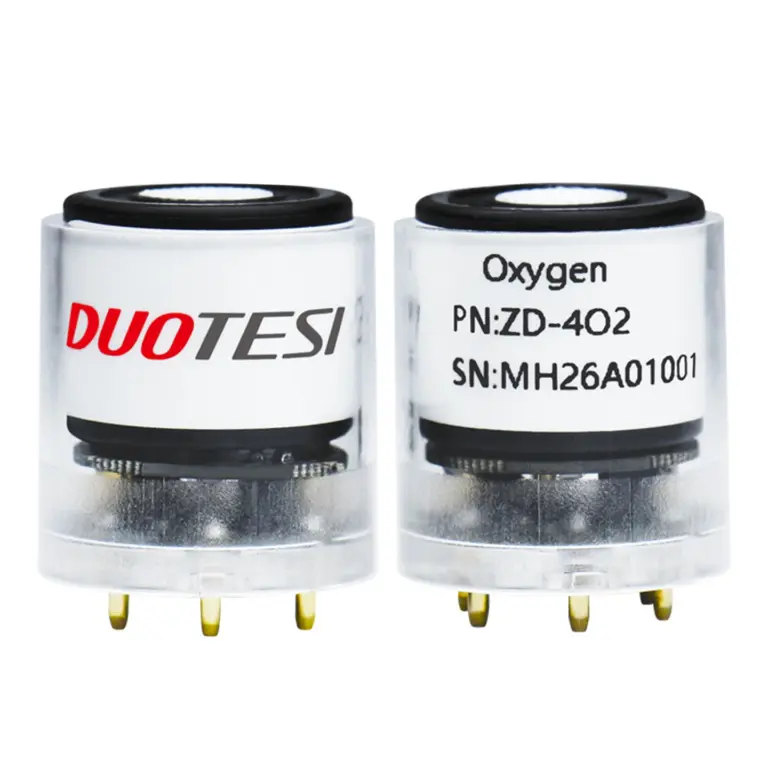
Product Introduction
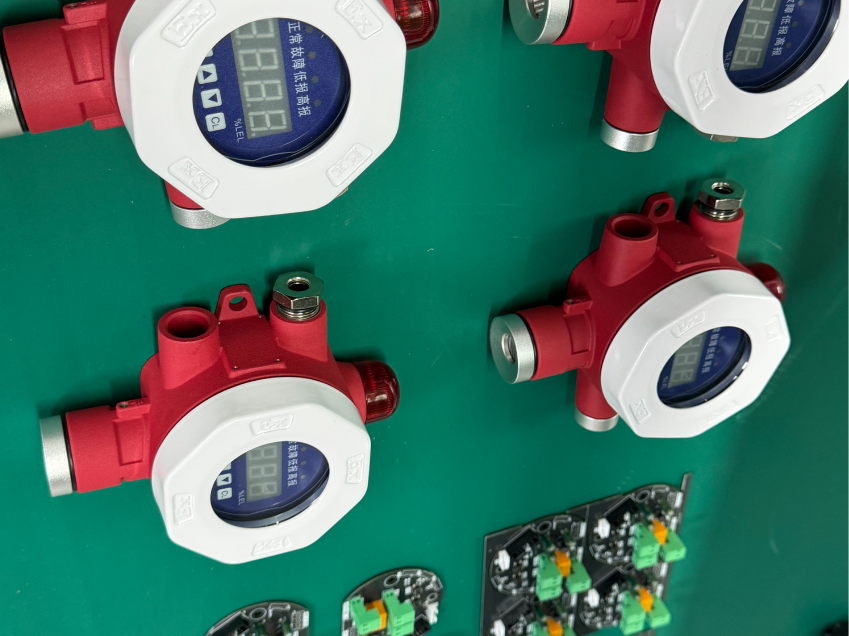
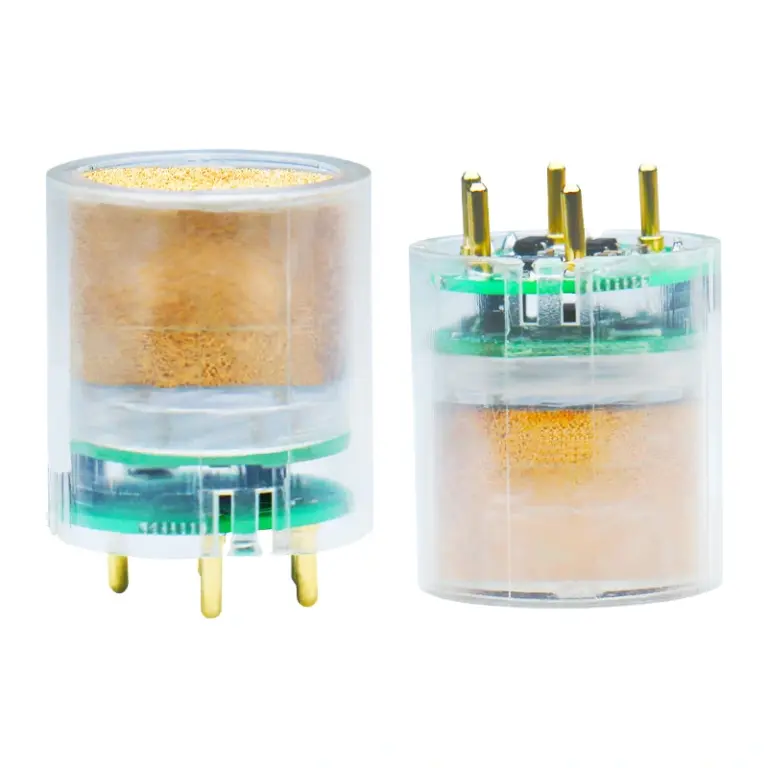
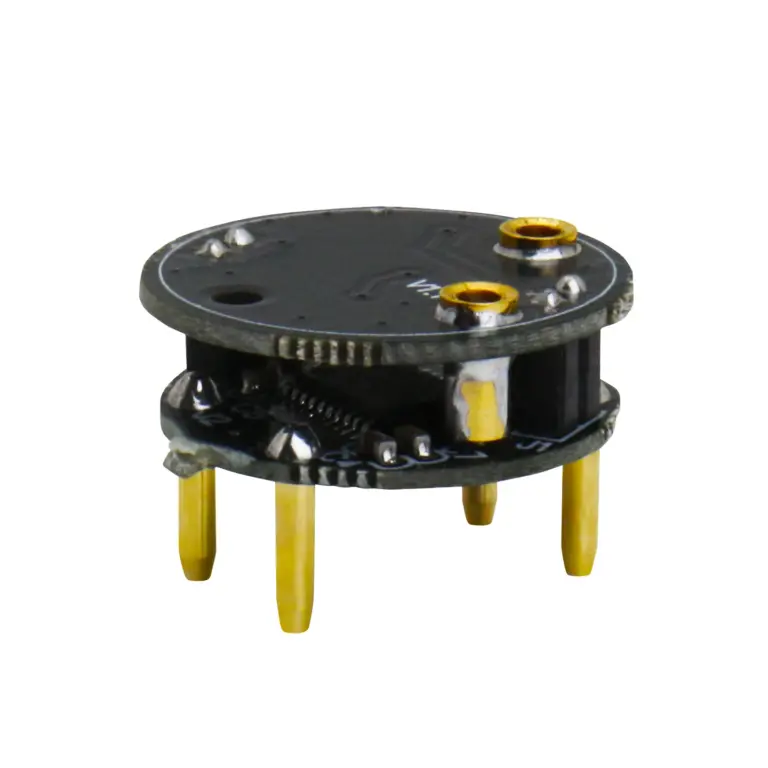
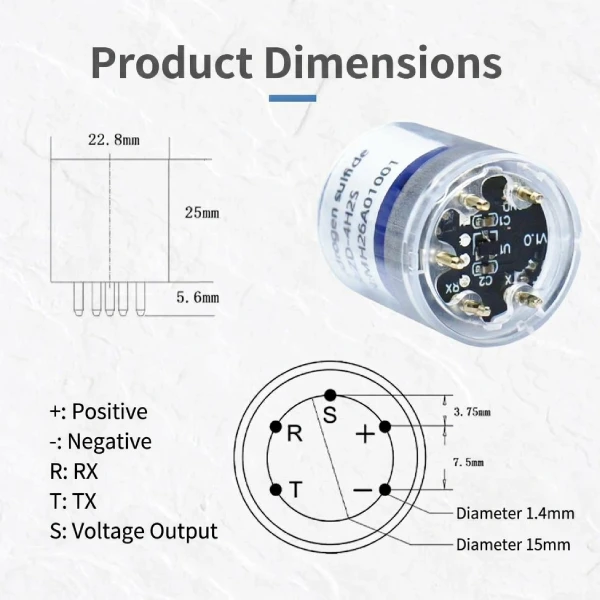
The ZD-4 series gas sensor module is a versatile, intelligent and miniature sensor module. It can be equipped with gas sensors based on various principles, including semiconductor, catalytic combustion, electrochemical, infrared and PID. The module supports output options such as UART (standard), I²C (optional), linear analog voltage (optional) and PWM (optional).
The module combines mature gas sensors with a high-performance processor. It transmits the sensor’s concentration data to the host computer via the UART interface using the Modbus protocol, and also offers an optional linear voltage signal. Both the digital and analog voltage signals are calibrated.
Product Features
High sensitivity and fast response, with no preheating required (a preheating time of 180 s can be added on the host computer side, recommended)
Standard analog output and digital output available
Multi-protocol support for digital output: standard Modbus, compatible with simple protocols
Fast response and recovery
Temperature compensation
Long-term stability
Long service life and anti-poisoning capability
Resistance to water vapor interference
Application
Detection of gas concentration in industrial and commercial environments.
Technical Specifications
| Working Voltage | 3.6–5.5 V DC |
| Working Current | < 150 mA (depends on sensor type): electrochemical < 5 mA; semiconductor < 100 mA; catalytic combustion < 160 mA; infrared < 100 mA; PID < 50 mA |
| Measuring Range | Set at the factory, subject to actual configuration |
| Output Signal | 0.4–2 V DC / UART / 4–20 mA / RS485 / Modbus |
| Resolution | 1% FS |
| Preheating Time | 0 s |
| Response Time | T90 < 30 s |
| Accuracy | ±5% FS |
Measurable Gases
| Gas | Range | Resolution | Low / High Alarm Point |
| Combustible gas (CH₄, LPG) | 0–100 %LEL | 1 %LEL | 20 / 50 %LEL |
| Carbon monoxide (CO) | 0–500 / 1000 / 2000 ppm | 1 ppm | 50 / 100 ppm |
| Hydrogen sulfide (H₂S) | 0–100 / 200 / 500 ppm | 1 ppm | 10 / 20 ppm |
| Oxygen (O₂) | 0–30 %vol | 0.1 %vol | 19 / 23 %vol |
| Ammonia (NH₃) | 0–10 / 50 / 100 / 500 ppm | 0.1 / 1 ppm | 20 / 50 ppm |
| Chlorine (Cl₂) | 0–50 ppm | 0.1 ppm | 2 / 5 ppm |
| Hydrogen (H₂) | 0–1000 ppm | 1 ppm | 50 / 100 ppm |
| Hydrogen chloride (HCl) | 0–10 ppm | 0.1 ppm | 2 / 5 ppm |
| Nitric oxide (NO) | 0–50 / 100 / 200 ppm | 1 ppm | 25 / 50 ppm |
| Nitrogen dioxide (NO₂) | 0–20 / 100 ppm | 0.1 ppm | 5 / 10 ppm |
| Phosphine (PH₃) | 0–20 / 2000 ppm | 0.1 / 1 ppm | 5 / 200 ppm |
| Sulfur dioxide (SO₂) | 0–20 / 100 ppm | 0.1 / 1 ppm | 5 / 10 ppm |
| Hydrogen cyanide (HCN) | 0–10 ppm | 0.1 ppm | 2 / 5 ppm |
| Ethylene oxide (EtO) | 0–100 ppm | 1 ppm | 10 / 20 ppm |
| Chlorine dioxide (ClO₂) | 0–100 ppm | 1 ppm | 10 / 20 ppm |
| Hydrogen fluoride (HF) | 0–10 ppm | 0.1 ppm | 5 / 10 ppm |
| Fluorine (F₂) | 0–10 ppm | 0.1 ppm | 2 / 5 ppm |
| Bromine (Br₂) | 0–10 ppm | 0.1 ppm | 2 / 5 ppm |
| Formaldehyde (HCHO) | 0–10 ppm | 0.1 ppm | 2 / 5 ppm |
| Sulfur hexafluoride (SF₆) | 0–1000 ppm | 1 ppm | 50 / 100 ppm |
| Carbon dioxide (CO₂) | 0–1 / 5 / 10 / 20 %vol | 50 / 100 ppm | 2.5 / 5 %vol |
| VOC | 2–10000 ppm | 1–10 ppb | 100 ppb / 100 ppm |